Module Programming
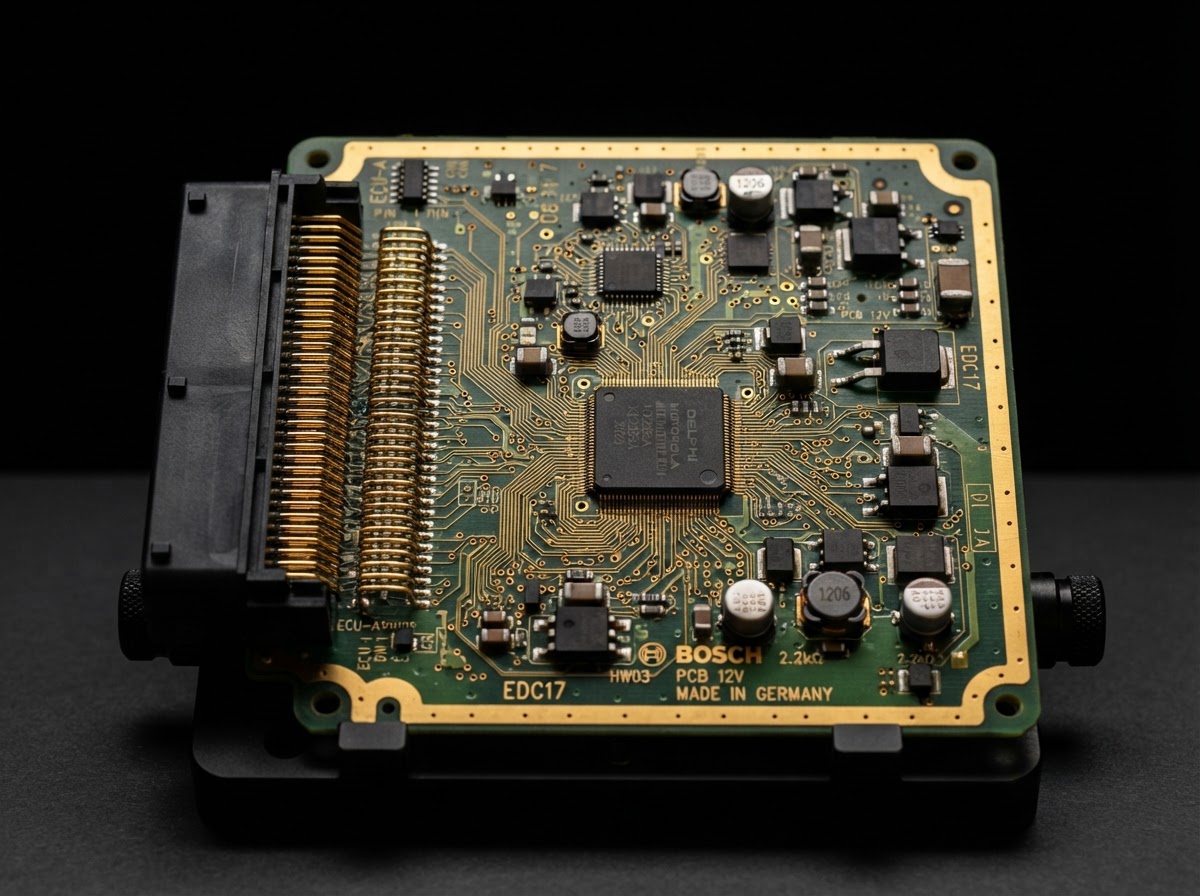
When a control module is replaced, it usually needs to be programmed — flashed with the correct software and configured for your specific vehicle. We handle programming for new, used, and existing modules across a wide range of makes and models.
What Is Module Programming?
Module programming (also called flashing) is the process of writing the correct operating software onto a control module and setting it up to work in your vehicle. A replacement module often arrives blank or configured for a different vehicle, so it won't function correctly until it's programmed with the right software, calibration data, and vehicle-specific settings.
Programming vs. Configuration
Programming installs the module's software. Configuration sets the parameters that tell the module which vehicle and options it's installed in. Most replacement-module jobs require both — and we handle the full process.
Why It's Needed After Replacement
Without programming, a replacement module won't communicate correctly, won't know which vehicle it's in, and may trigger faults or refuse to operate. Programming makes the module a correct match for your vehicle.
Why Modules May Need Programming
Several common repair situations require module programming.
New Module Installed
A brand-new module arrives blank and must be flashed with the correct software before it will operate.
Used Module Installed
A used or salvage module often needs reset, virginizing, or reprogramming to work in a new vehicle.
Software Update
A module may need a software update to fix a known issue or improve performance.
Configuration Lost
A module that lost its configuration may need to be reprogrammed to restore correct operation.
Repair-Related
Certain repairs — like transmission or engine work — can require module programming to complete the job.
Failed Module Recovery
A module that failed mid-flash or became unresponsive may need recovery programming.
Modules We Program
We program a wide range of vehicle control modules. Availability depends on the vehicle, module, part number, and required procedure.
ECM / PCM
Engine control module
Engine Control Module / Powertrain Control Module — manages engine operation, fuel, and emissions.
TCM
Transmission control
Transmission Control Module — controls gear shifts and transmission behavior.
BCM
Body control module
Body Control Module — manages lighting, locks, wipers, and body electronics.
ABS / EBCM
Brake control
Anti-lock Brake / Electronic Brake Control Module — controls braking and stability systems.
SRS / RCM
Restraint control
Supplemental Restraint / Restraint Control Module — manages airbags and seatbelt systems.
IPC / Instrument Cluster
Instrument panel
Instrument Panel Cluster — displays gauges, warnings, and vehicle information.
EPS / Steering
Electric power steering
Electric Power Steering module — controls steering assist behavior.
Gateway Module
Network gateway
Gateway module — routes communication between vehicle networks.
HVAC
Climate control
Climate control module — manages heating, ventilation, and air conditioning.
Infotainment / Radio
Audio / nav
Infotainment / radio module — audio, navigation, and connectivity systems.
Other Module
Specify in notes
Any other control module — specify the module and part number in your request.
Module availability depends on the specific vehicle, module, part number, and required procedure. We confirm compatibility before scheduling any programming work.
New vs. Used Modules
Both new and used modules can often be programmed, but the process differs.
New Modules
New modules typically arrive blank and require a full flash with the correct software plus configuration for your vehicle. Provide the part number so we can confirm the correct software and procedure.
Used Modules
Used or salvage modules may carry data from the donor vehicle. Some require reset or virginizing before they can be programmed for your vehicle. We confirm whether your specific used module can be programmed.
What Information Is Required?
The more detail you provide, the faster and more accurately we can help.
- Vehicle year, make, and model
- VIN (Vehicle Identification Number)
- Engine and transmission details
- Module type (ECM, TCM, BCM, etc.)
- Module part number
- Whether the module is new, used, or existing
- Current fault codes
- Repair context and symptoms
- Programming equipment available
- Shop and technician contact information
Have Your Details Ready
Gathering this information before submitting your request helps us confirm compatibility quickly and provide an accurate quote.
Module Programming Process
A clear, structured workflow from request to verified results.
Submit Request
Send vehicle, module, and part number details.
Compatibility Check
We confirm the module and procedure for your vehicle.
Quote & Scheduling
You receive a confirmed quote and we schedule the work.
Preparation
Confirm equipment and vehicle readiness for the session.
Programming
We flash and configure the module to your vehicle.
Verification
We verify the module operates correctly and clear faults.
Module Programming FAQ
Modern control modules are blank or configured for a different vehicle. Programming writes the correct software, calibration data, and vehicle-specific settings so the module works properly in your vehicle.
Programming (flashing) installs the operating software onto a module. Configuration sets the parameters and variant coding so the module knows which vehicle and options it's installed in. Many jobs require both.
Yes. New modules are a common programming request. Provide the part number so we can confirm the correct software and procedure for your vehicle.
Used modules can often be programmed, but some require reset or virginizing procedures first. Availability depends on the module and vehicle — we confirm before starting.
We need the VIN, module type, part number, whether the module is new or used, and any fault codes or repair context. This lets us select the correct software and procedure.
Usually no — most programming is done with the module installed in the vehicle through the diagnostic port or a programming interface. We'll tell you if a bench setup is needed.
Flashing incorrect software can cause issues, which is why we confirm the part number and vehicle details carefully before programming. If a problem occurs, we work to recover the module.
Yes, multiple modules can often be programmed in a single session. List all the modules in your request so we can plan the work and pricing.
Related Services
Request Module Programming
Send your vehicle and module details. We'll confirm compatibility and provide a quote.